
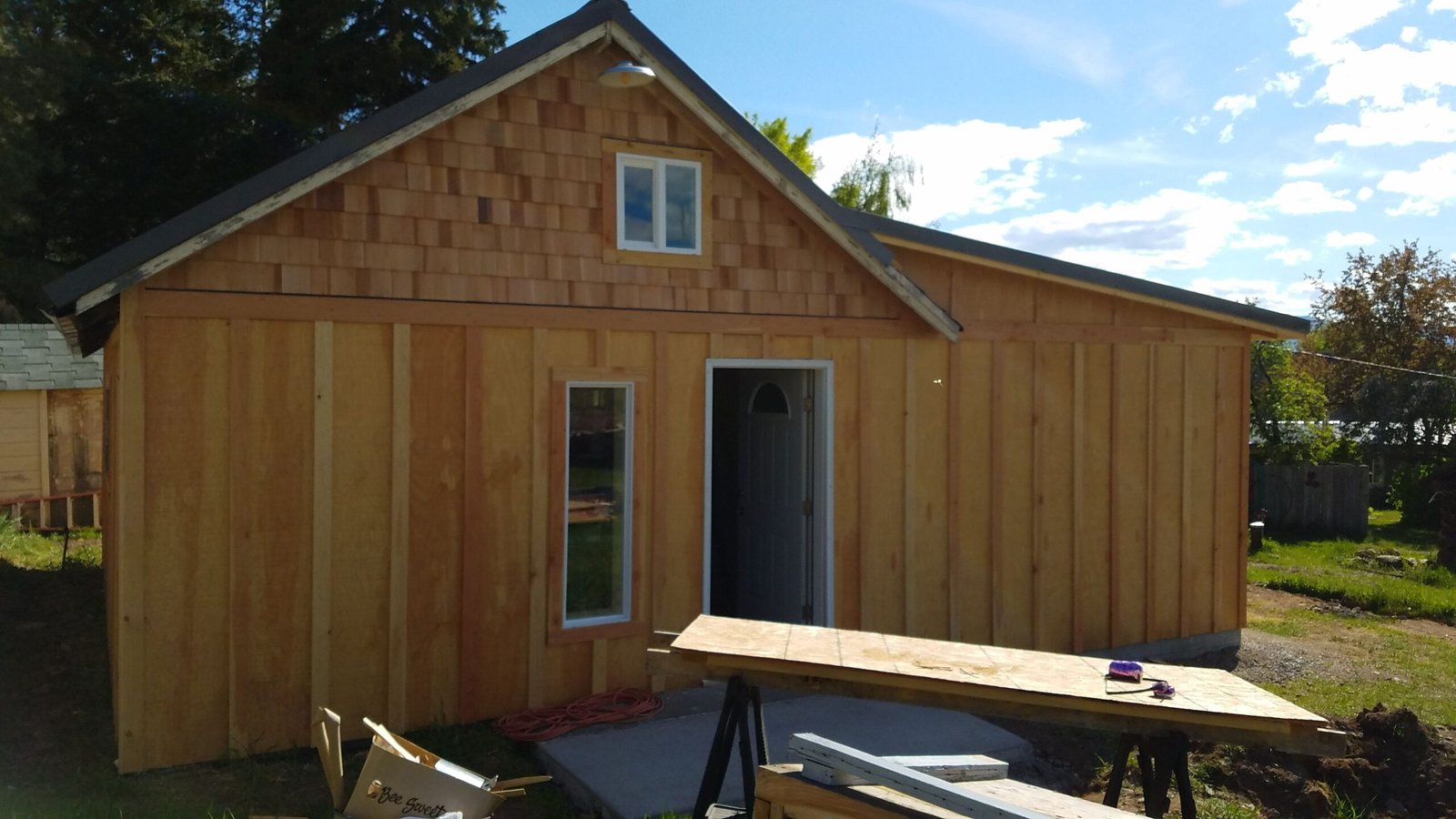
Building a custom home is an opportunity to shape the way you live, not simply choose a floor plan. In Bozeman and nearby communities such as Belgrade, Big Sky, Livingston, and Manhattan, the strongest projects begin with a clear understanding of the property, the household, and the decisions that will affect cost and construction later.
The early planning stage is where broad ideas become practical priorities. It is also where thoughtful coordination can prevent avoidable redesign, rushed selections, and budget pressure. Before drawings are finalized, use the following questions to create a stronger foundation for the project.
Start With How the Home Needs to Work
A custom home should support real routines. Think beyond the number of bedrooms and bathrooms and consider how people enter the house, where coats and equipment land, how groceries move from the vehicle to the kitchen, and whether guests need privacy from everyday family spaces.
Map the daily routine
Walk through an ordinary weekday from morning to night. A family that regularly hosts visitors may place a higher value on a flexible guest room and comfortable gathering area. Someone who works from home may need acoustic separation, natural light, and a location that does not put video calls in the middle of household traffic.
Give every square foot a job
More space is not automatically better space. A carefully planned pantry, mudroom, laundry area, or built-in storage wall can add more daily value than an oversized room with no clear purpose. Decide which spaces must feel generous and which can be compact without creating inconvenience.
Understand the Property Before the Plan Hardens
The house and the lot should be planned together. Access, grade, views, wind exposure, solar orientation, existing vegetation, utility locations, and the position of neighboring properties can all influence the most sensible placement and layout.
Study access and site conditions
Construction access matters during the build, while driveway geometry, parking, deliveries, and snow management matter for years afterward. A design that looks efficient on paper may need adjustment when the actual approach to the property is considered.
Confirm local requirements early
Setbacks, utility connections, review procedures, permitting requirements, and neighborhood standards can vary by location and property. Confirming the applicable requirements with the relevant local authority and project team before major design decisions are locked in helps reduce surprises.
Plan for Comfortable Montana Living
A home in southwest Montana needs to feel comfortable through changing seasons. That goal depends on the relationship between the building envelope, windows, insulation, heating and cooling systems, ventilation, and everyday habits inside the home.
Create a practical transition from outdoors to indoors
A well-planned entry can manage boots, coats, pet gear, recreational equipment, and seasonal clutter before it spreads into the main living areas. Durable flooring, organized storage, a bench, and easy access to laundry or a utility sink can make this hardworking space far more effective.
Coordinate comfort and efficiency as one system
Windows, air sealing, insulation, ventilation, and mechanical systems should be considered together. Early coordination allows the design and construction team to balance comfort, views, operating needs, and long-term performance instead of treating each choice in isolation.
Build a Budget Around Priorities
A useful custom-home budget is more than a total number. It should reflect where the household wants to invest, where simpler solutions are acceptable, and which choices are still uncertain. Site preparation, utility work, structure, mechanical systems, cabinetry, fixtures, finishes, and exterior improvements all compete for the same overall budget.
Separate must-haves from upgrades
Identify the features that genuinely shape daily life and protect those first. Then create a second tier of items that can be simplified, phased, or reconsidered if pricing changes. This gives the project team a practical way to respond without losing the main vision.
Leave room for unknowns and decisions
Every project contains variables, especially when site conditions or selections are still developing. Discuss allowances, exclusions, and contingency planning clearly so the budget communicates what is known, what is estimated, and what still needs a decision.
Make Selections in a Logical Order
Finish choices are easier when they follow a consistent design direction. Start with the broad character of the home, then move through exterior materials, flooring, cabinetry, countertops, plumbing fixtures, lighting, hardware, and paint. Decisions that affect structure, rough-ins, or lead times should happen before purely decorative choices.
Choose for durability as well as appearance
The right material is the one that fits the look, use, maintenance expectations, and budget of the household. High-traffic entries, kitchens, bathrooms, and work areas deserve particular attention because their surfaces and fixtures see frequent wear.
Avoid decision bottlenecks
Late selections can affect ordering, coordination, and the construction schedule. A clear decision calendar gives homeowners time to compare options while helping the builder protect the sequence of work.
Think Locally Across the Service Area
A home in central Bozeman may have different planning priorities from a property near Belgrade or Manhattan, a mountain setting around Big Sky, or a site near Livingston. Access, exposure, utilities, neighborhood context, and the relationship to the surrounding landscape can all shift the design conversation.
Bozeman, Belgrade, and Manhattan
For properties in and around these communities, useful early questions often include how the home relates to nearby development, how vehicles and storage will be handled, and whether the layout should support changing family or work needs over time.
Big Sky and Livingston
Properties in these areas can call for close attention to access, exposure, terrain, views, and seasonal use. The specific priorities depend on the site, so the design should respond to observed conditions rather than assumptions about the town or neighborhood.
Bring the Builder Into the Conversation Early
Early builder involvement connects design decisions with construction reality. It creates an opportunity to discuss sequencing, material availability, site logistics, budget implications, and practical alternatives while changes are still easier to make.
Dobrowski Built approaches custom homes with thoughtful planning, honest communication, hands-on coordination, and careful attention to detail. Zach remains closely involved so homeowners understand what happens next and how decisions affect the design, budget, schedule, and finished result.
Planning a custom home in Bozeman, Belgrade, Big Sky, Livingston, Manhattan, or the surrounding area? Contact Dobrowski Built to start with a practical conversation about your property, priorities, and next steps.